Top Home Addition Contractors in East Palo Alto for Room Extensions
Transform Your Home: Creative Ideas for Stunning Home Additions
Upgrading a home through carefully planned additions can greatly enhance both its functionality and aesthetic appeal. From light-filled sunrooms that embrace the outdoors to generous outdoor decks suited for social events, the choices are varied. Growing important rooms, including kitchens, strengthens family bonds, while a garage can solve storage dilemmas. Appreciating core design factors and careful planning is crucial. Yet, what really drives homeowners to adopt these transformations? The answer rests in the remarkable impact of expertly completed home additions.
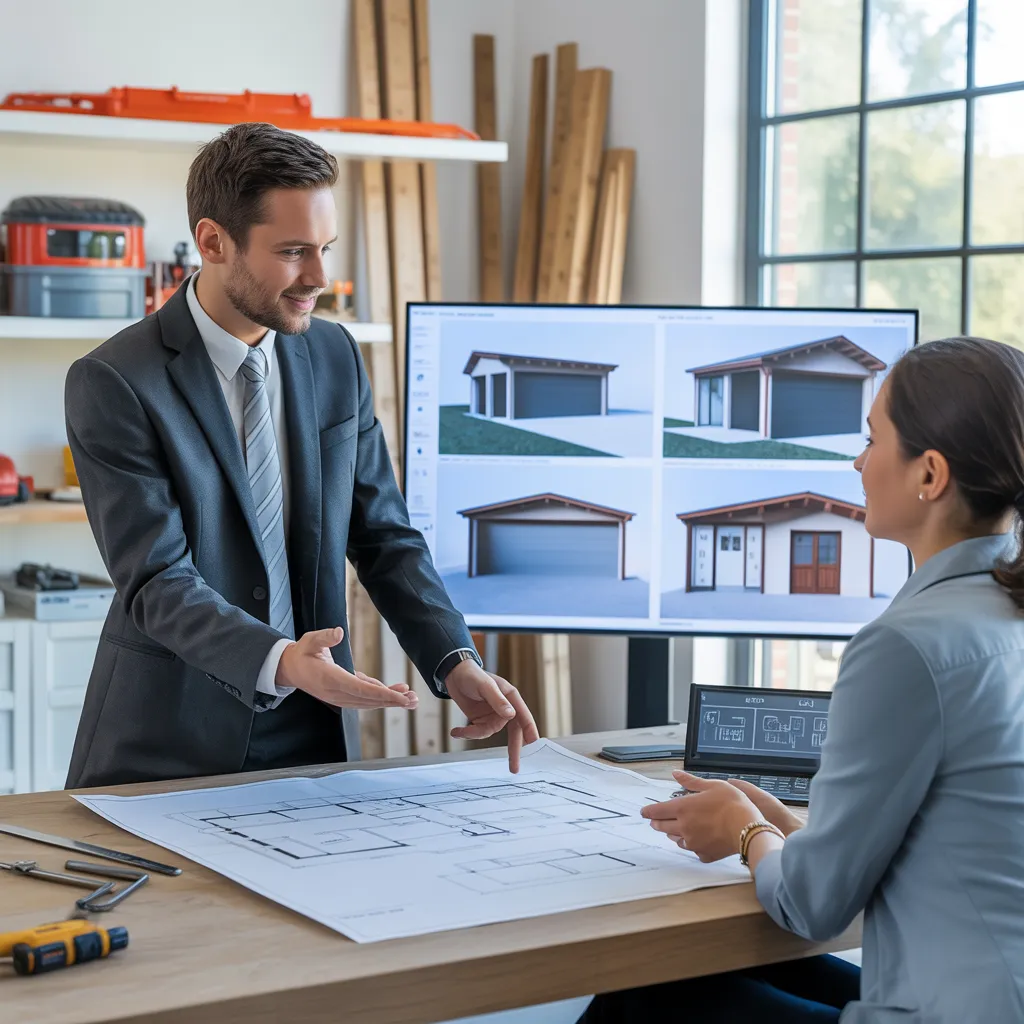
Discover Top Home Addition Ideas to Elevate Your Space
Homeowners frequently look for creative methods to improve their living spaces, and discovering trending home addition concepts can provide remarkable improvements. A commonly preferred selection is the installation of a sunroom, which brings natural light indoors while creating a serene space for relaxation. An equally attractive option is a deck or patio, expanding the usable space into the outdoors and ideal for hosting gatherings.
Homeowners may also consider enlarging their kitchen spaces, making them more functional and inviting. A garage addition not only provides additional storage space but can also serve as check here a dedicated workspace or hobby area.
For individuals seeking more sleeping areas, a bedroom addition can offer essential privacy and comfort. Additionally, converting attics or basements into livable spaces presents an opportunity for creative design while maximizing existing square footage. Every one of these approaches holds the promise of boosting both usability and aesthetic charm, ultimately converting a home into a more comfortable and enjoyable space.
Why Home Additions Can Boost Your Lifestyle?
Home additions can significantly improve living space, offering families the opportunity to grow and adapt. Moreover, expanding a home can lead to increased property value, making it a sound investment. In addition, these additions often foster deeper family connections by creating shared areas for activities and gatherings.
Improve Living Space
Enlarging a residence through home additions can considerably transform one's daily life by delivering greater convenience and ease. For families, new rooms can support growing needs, such as a playroom for children or a private workspace for remote work. A carefully planned addition can develop a natural transition between interior and exterior areas, fostering social interaction and relaxation. Furthermore, integrating elements like expansive windows or open layouts fosters a sense of openness and connection with nature. Improved living areas also enable personalized design choices, reflecting unique tastes and styles. Overall, home additions not only improve current areas but also create environments that promote well-being and improve daily living experiences.
Improve Property Value
Investing in property additions can significantly increase a home's market worth, making it a wise financial decision. By expanding square footage or introducing useful living zones, homeowners can attract potential buyers and increase resale prices. Elements including new bedrooms, contemporary kitchens, or multipurpose living areas frequently generate impressive investment returns. Furthermore, improvements such as sunrooms or outdoor decks not only elevate the home's appearance but also cater to modern lifestyle preferences, additionally increasing appeal. A carefully designed expansion can transform a home into a more valuable asset, aligning with present market demands and purchaser expectations. Overall, strategic home additions serve as a smart approach to enhancing overall property value while elevating the quality of life for present homeowners.
Nurture Family Ties
A carefully crafted addition can significantly enhance family bonds by developing spaces that encourage interaction and togetherness. Open-plan floor plans, such as family rooms or large kitchens, function as hubs for communal activities, fostering communication and connection. Designated areas for hobbies or playrooms give children a place to explore, while adults can enjoy nearby social spaces. Moreover, incorporating outdoor living spaces, like patios or decks, enables families to come together in a comfortable environment. These additions not only encourage everyday connections but also provide a backdrop for memorable gatherings and celebrations. At their core, well-planned home additions transform living environments into supportive spaces that strengthen family ties, improving overall quality of life.
Essential Design Elements to Enhance Your Home Addition
As homeowners plan a home addition, including fundamental design features can greatly enhance both aesthetics and functionality. Important components consist of natural light, which can be accomplished using large windows or skylights, establishing a luminous and appealing area. Moreover, an open floor plan encourages smooth transition between current and added spaces, fostering a sense of continuity.
Incorporating harmonious materials and color schemes confirms the extension integrates naturally with the original design, upholding design consistency. Careful placement of furniture and fixtures improves usability, rendering the space functional for daily use. Exterior links, like a patio or deck, can extend living areas and encourage outdoor enjoyment. Furthermore, energy-saving design solutions, utilizing effective insulation and responsible materials, contribute to long-term savings and environmental responsibility. By prioritizing these key design components, residents can craft a harmonious and stunning addition that enriches their home life.
Successfully Plan Your Home Addition Project
Proper planning is essential for a successful home addition project. Homeowners ought to start by identifying their priorities, whether it's expanding their living area, enhancing functionality, or increasing property value. Developing a well-defined vision helps guide the design and construction process. Next, reviewing regional zoning ordinances and construction codes is necessary to guarantee compliance and avoid potential setbacks.
Building a roadmap that details every stage of the project assists in preserving focus and commitment. Property owners are also encouraged to consider working with professionals, such as contractors or architects, to receive expert guidance and simplify the process.
Additionally, stressing the importance of communication within the team builds a collaborative environment and handles concerns promptly. Lastly, anticipating future requirements can support the development of an addition built to serve evolving needs. By applying these principles, homeowners are better equipped to manage their home addition projects with assurance and direction.
Budgeting for Your Home Addition: Essential Tips
Budgeting for a home addition demands thorough planning and careful thought to prevent unforeseen costs. Homeowners should begin by determining a practical budget that encompasses all components of the project, such as permits, building materials, labor costs, and contingency expenses. It is recommended to set aside an extra 10-20% of the overall budget for contingencies.
Researching and comparing costs from various contractors can provide valuable insights and help in making informed decisions. Furthermore, property owners should weigh their necessities against their preferences, guaranteeing that key components are incorporated while staying within their budget.
Establishing a thorough timeline can assist in coordinating expenses with construction stages, reducing financial strain. Additionally, working with a financial professional or a construction specialist can shed more light on possible expenses and funding solutions, ensuring that the budget remains manageable throughout the residential addition endeavor. This thoughtful strategy facilitates a prosperous and fiscally responsible home expansion.
Inspiring Real-Life Home Addition Transformations
Inspiring home addition transformations demonstrate the incredible capacity of private residences. One standout case is a modest cottage-style residence that went through a transformative transformation with a contemporary, stylish extension. By incorporating a expansive kitchen and entertaining area, the owners enriched their cooking experience while creating a inviting meeting place for loved ones and guests.
One notable transformation showcases a tiny home that grew upward with a delightful loft, maximizing space while introducing a comfortable reading corner. This clever design not only added functionality but also brought personality to the space.
Ultimately, a suburban ranch-style house welcomed a sleek style with a floor-to-ceiling glass sunroom, illuminating the interior with generous natural light and delivering magnificent vistas of the backyard garden.
These real-world transformations showcase the diverse possibilities for home additions, motivating homeowners to consider their own personalized improvements and reimagine their home surroundings.
Common Questions and Answers
What Permits Do I Need for a Home Addition Project?
When undertaking a home addition project, one typically needs a building permit, approval from the zoning board, and possibly permits for electrical or plumbing work. Local regulations vary, so speaking with local authorities is essential to guarantee compliance with all requirements.
How Much Time Does a Standard Home Addition Usually Take?
A standard home addition usually takes two to six months to complete, depending on factors such as permits, size, complexity, and weather conditions. Thorough planning and an efficient contractor can greatly affect the overall timeline.
Can I Live in My Home During the Addition Process?
In most cases, homeowners can often live in their homes during the addition process. However, elements like the project's scale, work area, and sound levels may impact daily comfort and access, necessitating short-term adjustments or temporary accommodations during construction.
What Are Common Mistakes to Avoid When Planning an Addition
Typical pitfalls to steer clear of during addition planning encompass underestimating costs, ignoring necessary building permits, overlooking structural integrity, neglecting to evaluate future demands, and not consulting professionals. Diligent preparation leads to more efficient execution and improved results.
How Do I Find the Right Contractor for My Project?
To choose the right professional, you should review credentials, check references, and guarantee clear communication. Reviewing various quotes and assessing past projects can assist in identifying dependability and suitability for the specific residential expansion project.